April 29, 2026
April Events Bring May Action

Over the past several weeks, we have had the privilege of gathering in community: listening, learning, and amplifying the voices of those closest to the issues; all in service of our mission to empower women, eliminate racism, and promote peace, justice, freedom, and dignity for all.
On April 7, at City Year Boston, YW Boston partnered with Listen to Your Mothers to host Our Transformative Power: Supporting Mothers, Strengthening Workforce, which convened esteemed leaders, advocates, and partners together to build advocacy power at the individual, workplace, and state levels.
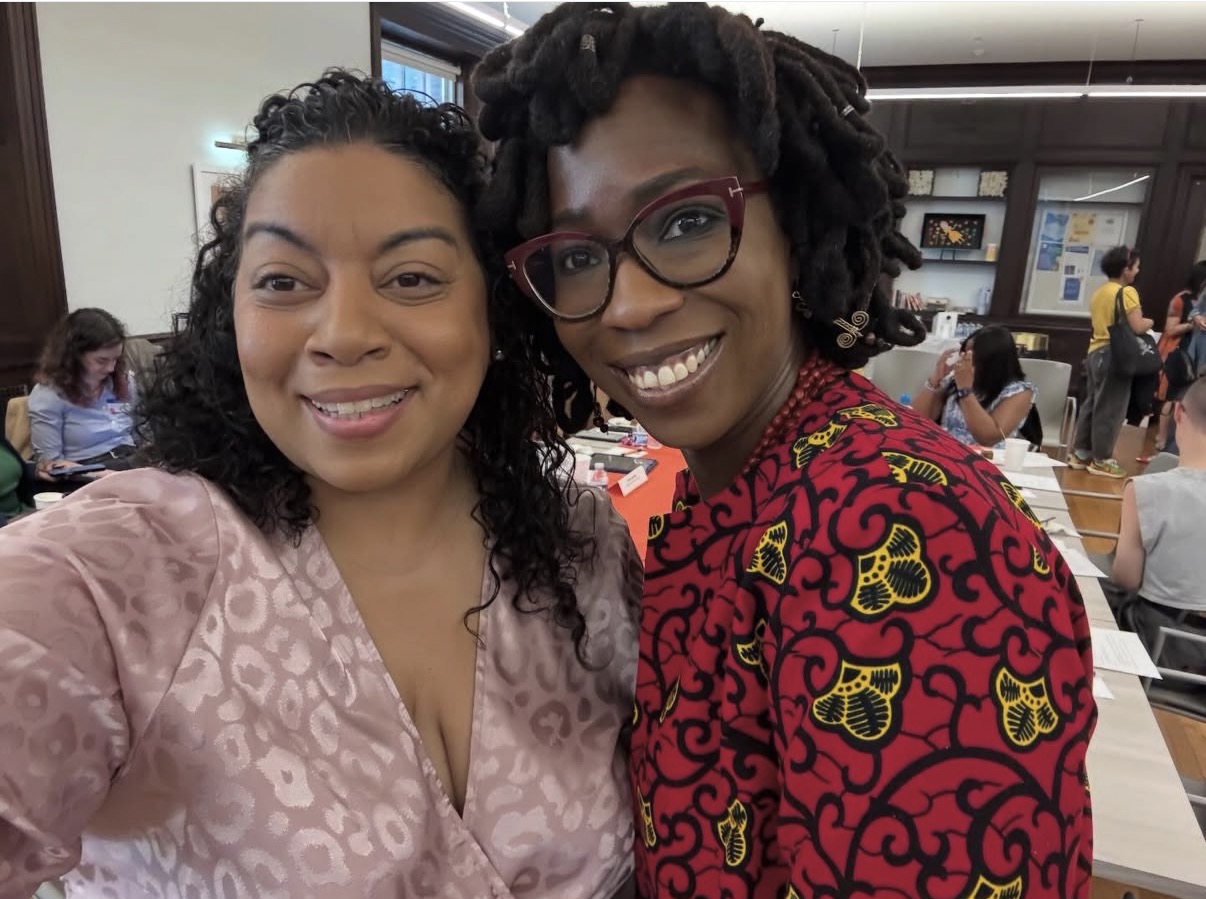
Just days later, we continued that conversation through our Kuumba Conversations roundtable: A Discussion with Senator Liz Miranda on Maternal Health Equity. Clinicians, birth workers, researchers, policymakers, and women with lived experience sat at the same table to confront one of the most urgent issues facing women today. Senator Miranda—self-proclaimed “Captain America”—led a room of medical professionals and health care advocates she likened to the Avengers, grounding the conversation in both urgency and shared purpose. Together, participants aligned on solutions and practices to better support women across the state. It was a powerful day.
We want to say thank you.
To every speaker, participant, partner, and attendee—you made these conversations what they were. These were not surface-level conversations. They were grounded, real, and at times uncomfortable in the ways that growth and truth often are. You came during an April snowstorm, you brought your kids, you laughed, you cheered, and you left the room knowing that you were not alone.
Across both events, one thing was clear: the barriers women face—especially women of color and mothers—are systemic, interconnected, and urgent.
The data is stark:
- Severe maternal complications in Massachusetts have nearly doubled over the past decade (source: New DPH report reveals rates of severe maternal morbidity in Massachusetts nearly doubled over a decade | Mass.gov)
- Black women continue to experience significantly higher rates of C-sections and adverse outcomes (source: Maternal health crisis: Why Massachusetts is losing its edge)
Many of these outcomes are preventable.
And yet, what emerged just as clearly as the challenges were the solutions.
We heard about the impact of culturally competent care and the power of representation. We learned about the role of midwives, doulas, and community-based birth centers in improving outcomes and building trust. We rallied around the need to address workforce gaps and invest in models of care that center dignity, safety, and respect.
Most importantly, we reaffirmed that the people closest to the issue are closest to the solutions—and that policy, practice, and data must reflect that truth.
Taken together, these conversations point to a larger reality:
We cannot talk about economic mobility for women without talking about maternal health.
And we cannot talk about maternal health without addressing the systems that shape women’s ability to live, work, and care for themselves and their families with dignity.
This is not a single-issue conversation. It is a systems conversation. And it demands a response that is just as comprehensive.
At YW Boston, we are convening, listening, and igniting the tools we all have to drive collective power.
We are now inviting organizations, leaders, and community members to take the next step: to publicly commit to building workplaces and systems that truly support women — specifically mothers, and women of color.
We have released an open letter* calling on organizations to move beyond intention and embrace true accountability.
*For more information: please watch YW Boston President and CEO Aba Taylor on Boston 25 News.
This commitment will challenge leaders to:
- Recognize and address the structural barriers facing mothers in the workplace.
- Support policies and practices that advance maternal health, economic mobility, and caregiving equity.
- Invest in environments where women—especially women of color, mothers, and gender expansive folks—can thrive.
This is about signaling, publicly and collectively, that we are not accepting inequitable systems or unfair realities for ourselves, our mothers, sisters, neighbors, colleagues, or friends.
That we understand the stakes.
That we are willing to be accountable.
That we need not identify as a woman, mother, person of color, or marginalized identity to know this is the right thing to do for a better economy, society, and community.
And that we are committed to building systems that reflect the realities women are navigating every day.
Join us: Take the pledge today.
If you were in the room with us, you felt the energy and the possibility. If you were not, we invite you to be part of what comes next.
Because the conversations we are having matter.
But what we do next matters even more.
With you,
YW Boston